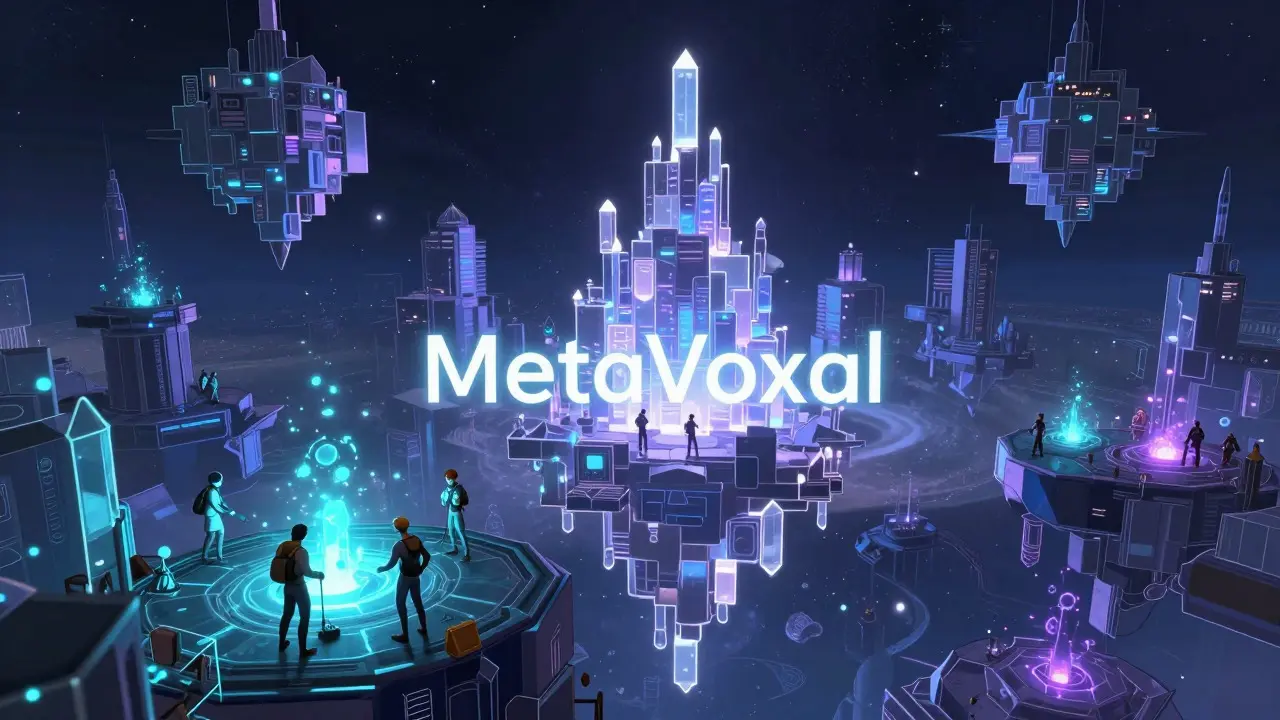
Chasing the next big crypto airdrop can feel like a high-stakes game of chance. You see the buzz on social media, hear about potential rewards, and wonder if you're missing out on free tokens. But with the rise of projects like SnowCrash, the landscape is shifting from simple "claim and sell" mechanics to deeper community engagement models. The NORA SnowCrash DAO Autumn Special Event isn't just another distribution; it's a test of how well you understand decentralized governance and metaverse economics.
This guide breaks down what you need to know about the SnowCrash ecosystem, the role of the NORA token, and how to approach this specific autumn event without falling for common traps. Whether you are a seasoned DeFi degenerate or a curious newcomer, understanding the underlying technology will help you decide if this opportunity is worth your time and gas fees.
Understanding the SnowCrash Ecosystem
SnowCrash is a decentralized metaverse project that aims to create a virtual world where users maintain full control over development and economic activities through community governance mechanisms. Unlike traditional games where a central company dictates the rules, SnowCrash operates as an open-source environment. This means the code is public, and decisions about the future of the platform are made by its community via a Decentralized Autonomous Organization (DAO).
The core of this experience is the MetaVoxel world. Think of MetaVoxel as the digital canvas where all the action happens. It’s not just a place to look at pixels; it’s an economy. Users engage in mining resources, building structures, and trading assets. These activities aren't just for fun-they drive the demand for the platform's native currency, the NORA token.
Why does this matter for an airdrop? Because SnowCrash values active participation over passive holding. The project distinguishes itself in the crowded metaverse space by offering a fully decentralized model. If you've been burned by centralized platforms that changed their terms overnight, SnowCrash’s DAO structure offers a layer of transparency. However, it also requires more effort from you. You’re not just a player; you’re a stakeholder.
The Role of the NORA Token
NORA is the primary utility asset of the SnowCrash ecosystem, enabling user participation in the MetaVoxel ecosystem through various activities including mining, building, and trading operations. It serves as the gateway to the platform. Without NORA, accessing certain features or participating in governance votes becomes difficult or impossible.
Here’s how NORA functions within the system:
- Mining Operations: Extracting resources in MetaVoxel often requires staking or paying fees in NORA.
- Construction Costs: Building plots or upgrading infrastructure consumes tokens.
- Trading Fees: Buying and selling virtual goods incurs a fee denominated in NORA.
- Governance Rights: Holding NORA grants voting power in the SnowCrash DAO, allowing holders to influence protocol upgrades and treasury allocations.
For the Autumn Special Event, the focus is likely on rewarding those who have already integrated NORA into their workflow. This aligns with current industry trends where point systems and activity-based rewards are preferred over blind distributions. The goal is to stimulate liquidity and genuine usage, not just attract speculators looking for a quick exit.
Decoding the Autumn Special Event
While specific details for the "Autumn Special Event" may vary based on real-time announcements, we can infer the structure based on SnowCrash’s documented approach and broader market trends. Most DAO-led airdrops follow a predictable pattern designed to maximize community buy-in.
First, there is usually a qualification period. This might involve holding a minimum amount of NORA for a set number of days, or completing specific tasks within MetaVoxel, such as building a plot or participating in a governance vote. Second, there is a claim phase. This is when eligible users receive their allocation. Finally, there may be secondary phases, similar to other major 2025-2026 airdrops, such as a "Lost-and-Found" period for late claimers or additional mining opportunities.
A key differentiator for SnowCrash is the emphasis on open-source scrutiny. Because the code is public, the community can verify the smart contracts themselves. This reduces reliance on third-party audits, though it doesn't eliminate risk entirely. For participants, this means you have the tools to check the fairness of the distribution before you commit capital.
Risk Assessment: What You Need to Know
Let’s be honest: not every airdrop is a home run. Before you dive in, you need to weigh the risks associated with emerging metaverse projects like SnowCrash.
| Risk Category | Description | Mitigation Strategy |
|---|---|---|
| Liquidity | Low trading volume can make it hard to sell tokens quickly without moving the price. | Use limit orders and avoid large market sells during low-volume hours. |
| Volatility | Price swings are common in new metaverse tokens, affecting the value of your airdrop. | Dollar-cost average your entry and don't go all-in at once. |
| Security | Despite open-source code, formal security audits may be limited or absent. | Review the contract code yourself or rely on trusted community auditors. |
| Opportunity Cost | Capital locked in NORA could potentially earn higher yields elsewhere. | Compare APYs across different DeFi protocols before committing funds. |
The lack of comprehensive third-party security audits is a significant factor. While open-source allows for community review, it requires technical skill to do effectively. If you’re not comfortable reading Solidity code, consider joining a Discord channel where developers and advanced users discuss contract integrity. Low liquidity is another hurdle. If the daily trading volume is thin, exiting a position can be expensive due to slippage. Always check the order book depth before making large moves.
How to Prepare for Participation
If you decide the risks are manageable, here is a practical checklist to get ready for the event. This isn’t just about clicking buttons; it’s about setting up your infrastructure correctly.
- Secure Your Wallet: Use a hardware wallet if possible, or ensure your software wallet has strong multi-factor authentication. Never share your seed phrase, no matter who asks.
- Acquire NORA Strategically: Don’t buy at the top. Monitor the price action and accumulate gradually. Keep some stablecoins (like USDC) ready for gas fees.
- Engage with MetaVoxel: Spend time in the actual game environment. Create a character, visit the main hub, and interact with other players. This builds familiarity with the interface, which is crucial when claiming rewards under time pressure.
- Join the Community: Follow official SnowCrash channels on X (Twitter) and Discord. Watch for pinned messages regarding snapshot dates and claim windows. Scammers love to impersonate official accounts, so always verify links.
- Check Gas Fees: Depending on which chain SnowCrash operates on (or bridges to), gas fees can fluctuate wildly. Time your transactions during off-peak hours to save costs.
Remember, the "Autumn Special Event" implies a seasonal window. Deadlines are strict. Set calendar reminders for any announced snapshot dates. Missing a snapshot by even a few blocks can disqualify you from the initial distribution.
Market Context and Competitor Analysis
To understand where SnowCrash fits, let’s look at the broader airdrop landscape in late 2025 and early 2026. Projects like Midnight conducted multichain airdrops for holders of major assets like BTC, ETH, and SOL. Their model included a claim phase followed by a 30-day "Scavenger Mine" period. This extended timeline encourages continued engagement rather than a one-time dump.
Similarly, Warden Protocol and Mitosis have used point systems to gauge interest before launching their tokens. SnowCrash’s approach mirrors this trend. By tying rewards to activity in MetaVoxel, they filter out pure speculators and reward builders. This is a healthier long-term strategy for the project, but it means you have to work for your tokens.
Compared to older airdrops that simply distributed tokens to random addresses, modern events like this require active participation. This shifts the value proposition from "free money" to "rewarded labor." If you view the time spent playing and governing as investment research, the ROI calculation changes significantly.
Frequently Asked Questions
What is the SnowCrash NORA token used for?
The NORA token is the primary utility asset for the SnowCrash metaverse. It is used for mining, building, and trading within the MetaVoxel world. It also grants governance rights in the SnowCrash DAO, allowing holders to vote on protocol changes.
Is the SnowCrash airdrop guaranteed?
No airdrop is guaranteed until officially claimed. While the "Autumn Special Event" suggests a distribution, eligibility depends on meeting specific criteria such as holding NORA or completing tasks. Always verify details through official SnowCrash channels to avoid scams.
What are the main risks of participating in SnowCrash?
Key risks include low liquidity, which makes selling difficult; high price volatility typical of new tokens; and the absence of comprehensive third-party security audits. Participants should conduct their own due diligence and monitor contract codes carefully.
How does the SnowCrash DAO work?
The SnowCrash DAO is a decentralized autonomous organization where NORA token holders vote on key decisions. This includes protocol upgrades, treasury management, and future development directions. It ensures the project remains community-driven rather than controlled by a single entity.
Where can I find official information about the Autumn Event?
Official information should be found on SnowCrash's verified social media accounts, primarily on X (Twitter) and their Discord server. Be cautious of unofficial websites or DMs promising extra rewards, as these are often phishing attempts.
I'm a blockchain analyst and crypto educator who builds research-backed content for traders and newcomers. I publish deep dives on emerging coins, dissect exchange mechanics, and curate legitimate airdrop opportunities. Previously I led token economics at a fintech startup and now consult for Web3 projects. I turn complex on-chain data into clear, actionable insights.