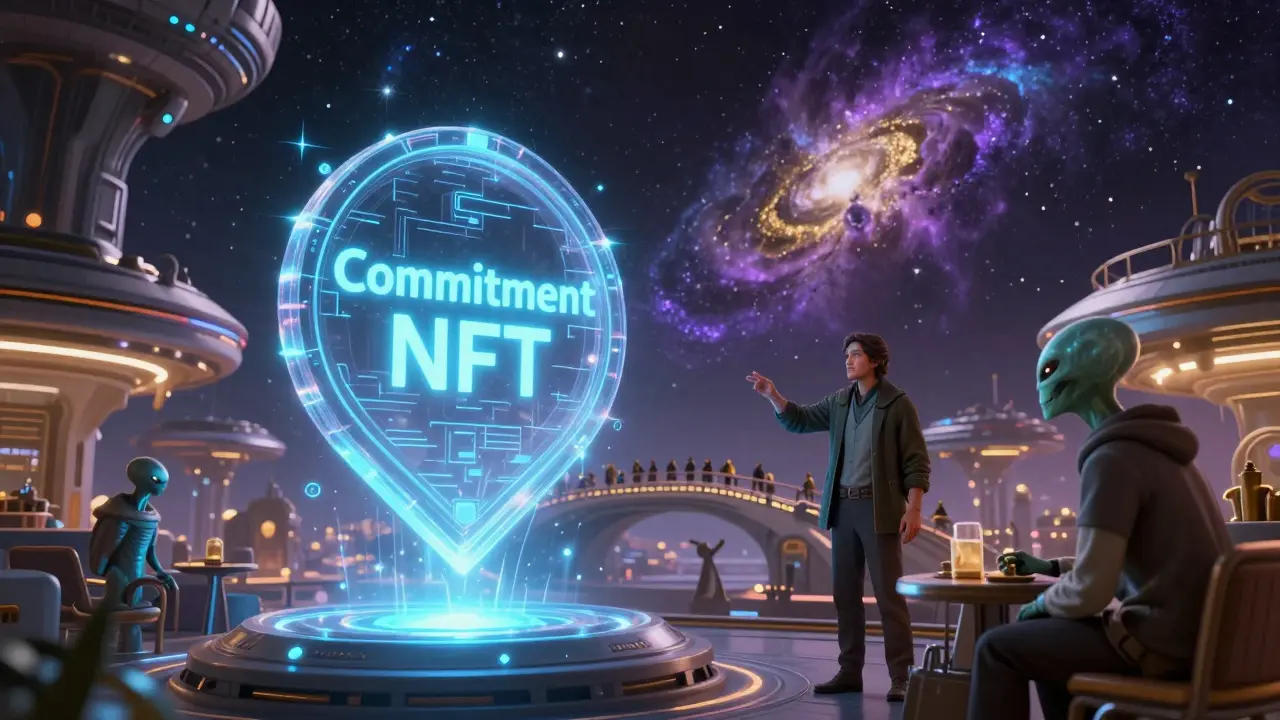
Most of us are used to the same routine: you find a product on a giant marketplace, trust that the seller won't scam you, and hope the shipping doesn't go sideways. The problem is that these platforms take a massive cut of the profit and own every piece of your data. Boson Protocol is a decentralized infrastructure platform that lets buyers and sellers trade digital and physical assets without needing a middleman. By turning a promise to deliver a physical item into a digital token, it attempts to fix the trust gap in online shopping using blockchain technology.
Key Takeaways
- Core Purpose: Enables trustless peer-to-peer commerce for both physical and digital goods.
- The Tech: Uses "commitment NFTs" to represent a future delivery of a real-world item.
- BOSON Token: A utility token used for staking, governance, and reducing transaction fees.
- Agentic Commerce: Evolving to support AI agents that can shop and trade autonomously.
How Boson Protocol Actually Works
The biggest headache in e-commerce is the "trust problem." How do you know a seller will actually ship a pair of sneakers after you've sent the money? Boson solves this through a clever mix of smart contracts and game theory. Instead of relying on a company's reputation, the protocol uses Stateful NFTs (also called commitment tokens).
Think of a commitment NFT as a digital receipt that proves a deal has been made. When a seller lists an item, they create this token. When you buy it, you hold the token as a guarantee. If the seller doesn't ship the item, the protocol's escrow system kicks in. Both parties put up deposits; if one side flakes, they lose their deposit to the other. This creates a financial incentive for everyone to play by the rules without needing a corporate manager overseeing the trade.
Breaking Down the Token Ecosystem
It's not just about one coin. The ecosystem uses a three-tier token system to handle different parts of the shopping process. The most famous is the BOSON token, which is an ERC-20 token on the Ethereum network.
You can use Boson Protocol tokens to stake in the network, which lowers the fees you pay when buying or selling. They also give you a vote in the dCommerce DAO, meaning you can actually help decide how the protocol evolves. Then there are the commitment NFTs we mentioned, which are unique and can even be traded on DeFi platforms like speculative assets before the physical item is actually delivered.
Finally, there are "Thing tokens." These are fungible tokens used to buy specific commitment NFTs. Because they are fungible, they can be traded on Automated Market Makers (AMMs), making the process of acquiring a physical good more liquid and flexible.
| Token Type | Standard | Primary Use | Tradeability |
|---|---|---|---|
| BOSON | ERC-20 | Governance, Staking, Fee Reduction | High (Exchanges) |
| Commitment NFT | Stateful NFT | Proof of Purchase/Delivery Promise | Medium (NFT Marketplaces) |
| Thing Token | ERC-20 | Purchasing Commitment NFTs | High (AMMs/DEXs) |
The Shift Toward AI and Agentic Commerce
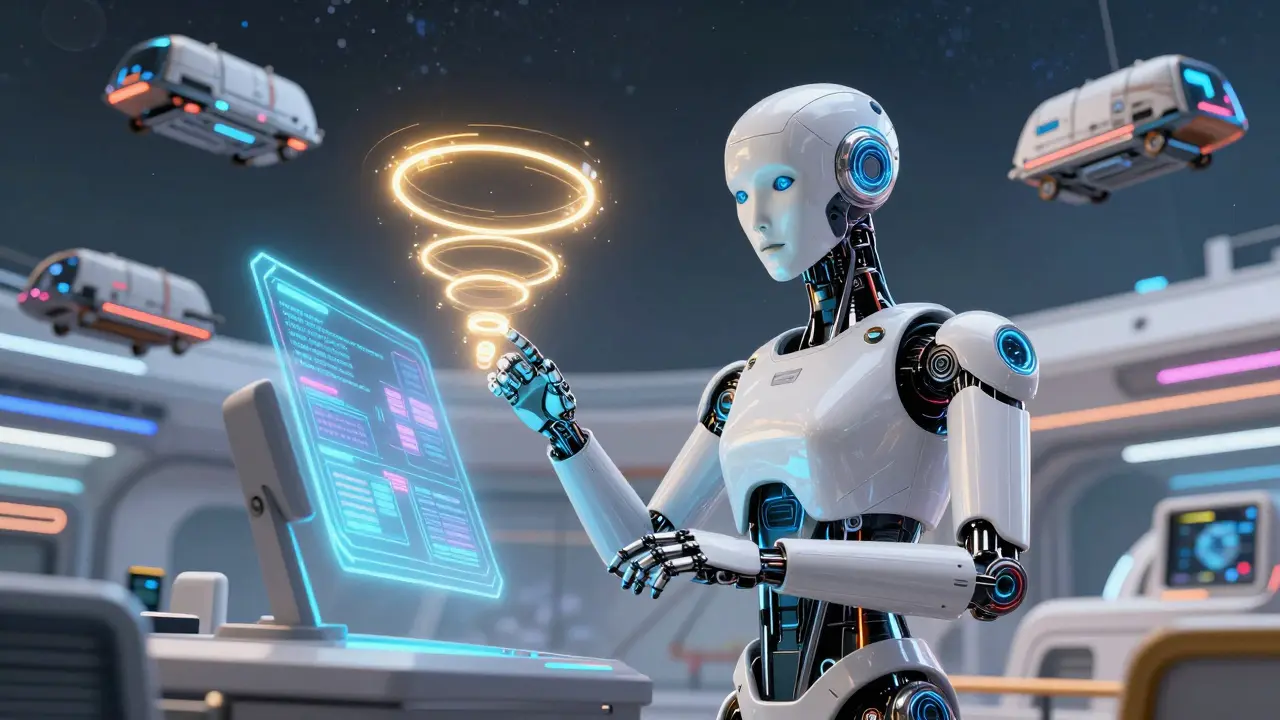
While Boson started with human-to-human shopping, it's moving toward something much bigger: the "Agent Stack." We are entering an era where AI agents might handle our errands. Imagine an AI assistant that doesn't just find the best price for a laptop but actually executes the transaction, verifies the shipping, and handles the escrow-all without you lifting a finger.
The Boson dACP (Decentralized Commerce Protocol) acts as the foundation for this. It allows any agent, whether it's a human or a piece of code, to exchange assets verifiably. By integrating with modern agent frameworks, Boson is positioning itself as the "financial primitive" that AI needs to interact with the physical world safely.
Economics and Market Reality
Looking at the numbers, Boson has a max supply of 200 million tokens. A large chunk (about 43.4%) is set aside for network rewards to keep users engaged. However, the market journey has been a rollercoaster. The coin hit an all-time high of $6.93 but has since seen a massive drop, trading around $0.0339 in April 2026. This is a common story in Web3: huge initial hype followed by a grueling period of building actual utility.
The protocol is designed to be deflationary. It earns revenue from transaction fees and a unique Web3 data marketplace. In the old world, Amazon or eBay sells your shopping data to advertisers. In Boson's world, you can voluntarily contribute your data to the marketplace and actually get paid for it, disrupting the way consumer data is monetized.

Is it actually usable?
For a merchant, jumping into decentralized commerce can feel daunting. To bridge this gap, Boson provides TypeScript SDKs and embeddable widgets. This means a shop owner doesn't have to rebuild their entire website from scratch; they can just plug in the Boson tools to start accepting crypto and issuing commitment NFTs.
For the average user, the Boson dApp is the main gateway. But the real test for the protocol isn't how many people download the app-it's how many real-world assets (RWAs) get tokenized. Whether it's a rare piece of art or a standard electronic device, the ability to trade the promise of an item as a liquid asset is what sets Boson apart from a standard Shopify store.
What happens if a seller doesn't ship the item?
Boson uses an escrow-based system powered by game theory. Both the buyer and seller provide deposits. If the seller fails to deliver the goods and the claim is verified through the protocol's arbitration system, the seller's deposit is forfeited to the buyer. This removes the need to trust the seller blindly.
Is BOSON a good investment?
Like any micro-cap utility token, BOSON is high-risk. It has experienced significant volatility, dropping over 99% from its peak. Its long-term value depends on the adoption of decentralized e-commerce and AI agent transactions. You should look at the growth in transaction volume and merchant adoption rather than just the price chart.
What is the difference between a Thing token and a Commitment NFT?
A Commitment NFT is a unique token representing a specific contract for a specific item. A Thing token is a fungible ERC-20 token that can be used to acquire those NFTs. Basically, Thing tokens make it easier to trade the "right" to a product on standard DeFi platforms like Uniswap.
Does Boson Protocol work on mobile?
Yes, through its dApp interface and integration with Web3 wallets (like MetaMask), you can interact with the protocol via mobile browsers. Merchants can also integrate Boson widgets into their mobile-responsive websites.
How does the data marketplace work?
Unlike centralized platforms that steal your data, Boson creates a planetary-scale marketplace where users choose to share their commerce data. Third parties pay fees to access this data, and those rewards are distributed equitably to the users who provided the information.


I'm a blockchain analyst and crypto educator who builds research-backed content for traders and newcomers. I publish deep dives on emerging coins, dissect exchange mechanics, and curate legitimate airdrop opportunities. Previously I led token economics at a fintech startup and now consult for Web3 projects. I turn complex on-chain data into clear, actionable insights.