
You probably saw the hype. "Free money for your Wi-Fi!" That was the pitch from Wicrypt, a project that promised to turn your router into a crypto mining rig. But if you are looking for details on the WNT token or the so-called "NFT & Device Drop," you need to know the hard truth first: this isn't just another active airdrop farm. As of late 2025, Wicrypt is largely considered a defunct or dormant project. The excitement around its initial distribution has faded, replaced by questions about what actually happened to the tokens and devices.
This guide cuts through the noise. We will break down exactly what the Wicrypt airdrop was, how the hardware worked, why it struggled against competitors like Helium, and where the WNT token stands today. If you missed out, or if you are holding old WNT bags, here is what you need to know.
What Was the Wicrypt Project?
Wicrypt Network was a decentralized wireless infrastructure project founded in Nigeria. Unlike projects that rely on abstract blockchain concepts, Wicrypt had a physical component. Users bought specialized routers that shared their unused internet bandwidth with neighbors. In return, they earned WNT tokens. It was a classic "DePIN" (Decentralized Physical Infrastructure Network) model before the term became mainstream.
The core idea was simple: internet access in many parts of Africa and emerging markets is expensive and unreliable. By letting users monetize their spare bandwidth, Wicrypt aimed to lower costs for consumers while rewarding providers. The project raised $1.5 million in private funding in August 2021, backed by investors from the telecom and blockchain sectors. Key figures included CEO Olayinka Okereke, formerly of Microsoft and Andela, and CTO Adeyinka Adebayo, ex-Google.
The Airdrop vs. The TGE: Clearing Up Confusion
Many users confuse the "airdrop" with the actual token sale. There wasn't a massive, free-for-all airdrop where everyone got thousands of free tokens just for signing up. Instead, Wicrypt launched via a Token Generation Event (TGE). This concluded on December 5, 2021. Here is how the distribution actually worked:
- IDO Participants: Early buyers who participated in the Initial DEX Offering on Cardano’s OccamRazer platform received tokens with a linear unlock over two months.
- Private Investors: These allocations were vested over 36 months, meaning early backers couldn't dump all their tokens at once.
- Community Rewards: Some users received small amounts of WNT for engaging with social media tasks or referring friends, but these were minor compared to the paid allocations.
The "NFT & Device Drop" mentioned in search queries likely refers to the promotional campaigns where buying a device might have granted special NFT badges or bonus token allocations. However, unlike Bored Apes, these weren't high-value collectibles traded on OpenSea. They were utility markers within the Wicrypt ecosystem.
How the Hardware Worked
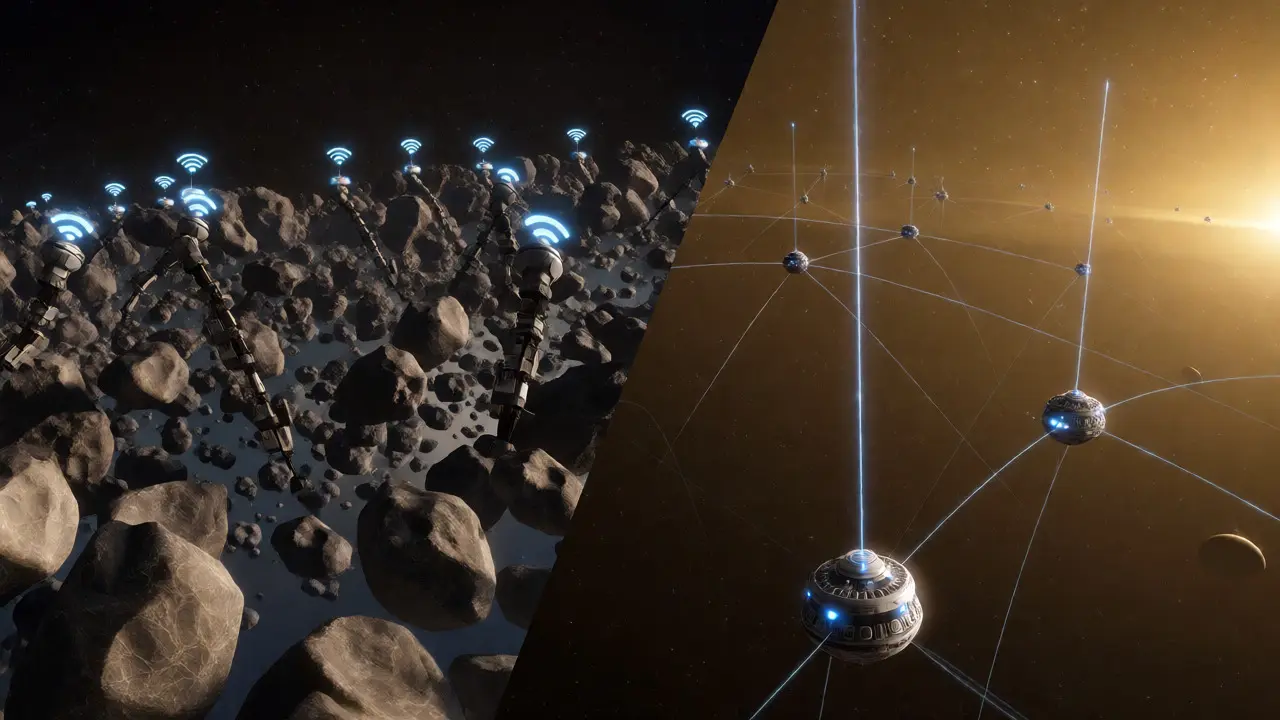
You couldn't just run software on your existing laptop. You needed the specific Wicrypt device. Priced at $99 at launch, these routers featured dual-band Wi-Fi (2.4GHz and 5GHz), gigabit Ethernet ports, and ARM-based processors optimized for blockchain operations.
The setup was straightforward: plug it into your modem, connect it to power, and link it to your wallet. Once online, the device started sharing bandwidth. Earnings depended on demand. In Lagos, some users reported earning about $3.50 daily by sharing 200GB monthly. But this wasn't passive income in the traditional sense. Devices required maintenance. Community reports highlighted frequent reboots and overheating issues, especially in tropical climates. One user noted that physical interventions reduced their effective earnings by nearly 40% due to downtime.
Wicrypt vs. Helium: Why Scale Matters
To understand why Wicrypt didn't take over the world, compare it to Helium. Both use hardware to create networks, but their approaches differed significantly.
| Feature | Wicrypt (WNT) | Helium (HNT) |
|---|---|---|
| Network Type | Wi-Fi (High speed, short range) | LoRaWAN (Low power, long range IoT) |
| Primary Use Case | Internet connectivity sharing | Sensor data transmission |
| Device Cost (Launch) | $99 | $200 - $500+ |
| Global Hotspots (Peak) | ~1,200 (Estimated) | 500,000+ |
| Target Market | Nigeria/Africa | Global |
Helium had a clear advantage: LoRaWAN devices were cheaper to deploy at scale and served a growing IoT market. Wicrypt's Wi-Fi approach required dense urban populations to be profitable. If your neighbors weren't online, you earned nothing. This made Wicrypt highly dependent on local adoption rates, which remained low outside of key Nigerian cities.

Current Status: Is WNT Dead?
Here is the sobering reality check. According to CoinGecko data as of 2025, WNT is no longer actively traded on major centralized exchanges. Trading activity on decentralized exchanges effectively ceased after Q2 2022. The GitHub repository shows minimal development activity since March 2022, with the last significant commit dated March 14, 2022.
Community engagement tells a similar story. The official Telegram group dropped from 8,500 members in late 2021 to roughly 1,200 by October 2025. Most of those remaining members are likely waiting for news that may never come. Delphi Digital rated Wicrypt's chances of recovery at just 12% in a 2024 retrospective, citing insufficient hardware adoption and lack of continuous development.
Lessons from the Wicrypt Experiment
Why did this fail? Analysts point to three main factors:
- Hardware Dependency: Blockchain projects that require physical hardware face scaling nightmares. Shipping delays of 6-8 weeks killed momentum for early adopters.
- Tokenomics Pressure: While vesting schedules protected against immediate dumps, they created long-term selling pressure. When tokens unlocked, there were few buyers left to absorb them.
- Market Fit: In regions with cheap broadband, the incentive to share Wi-Fi vanished. Wicrypt thrived only where internet was expensive and scarce, limiting its global appeal.
If you are holding WNT, you might consider it a sunk cost. If you are looking for DePIN opportunities, look for projects with broader geographic diversity and stronger developer activity. The problem of expensive internet remains unsolved, but Wicrypt wasn't the solution that stuck.
Is the Wicrypt airdrop still live?
No. The primary token distribution events for Wicrypt concluded in late 2021. There are no active, free airdrops currently distributing new WNT tokens to the general public.
Can I still buy Wicrypt devices?
Official sales have largely ceased. You might find second-hand devices on platforms like eBay or local Nigerian marketplaces, but without active network support, their utility is questionable.
What happens to my WNT tokens now?
WNT is delisted from most major exchanges. Liquidity is extremely low. You may be able to swap small amounts on decentralized exchanges (DEXs) that still list the pair, but slippage will be high.
Was the Wicrypt NFT valuable?
The NFTs associated with Wicrypt were primarily utility badges rather than speculative art. Their value was tied to the success of the network, which declined significantly, rendering them largely worthless in secondary markets.
Why did Wicrypt fail?
Key reasons include limited geographic focus (mostly Nigeria), high hardware dependency leading to slow scaling, and intense competition from more established DePIN projects like Helium. Development activity also stalled after 2022.


I'm a blockchain analyst and crypto educator who builds research-backed content for traders and newcomers. I publish deep dives on emerging coins, dissect exchange mechanics, and curate legitimate airdrop opportunities. Previously I led token economics at a fintech startup and now consult for Web3 projects. I turn complex on-chain data into clear, actionable insights.