Is ZMINE (ZMN) a legitimate investment or just another forgotten altcoin from the 2018 ICO boom? If you are looking at its chart today, you might be confused. The price hovers between $0.006 and $0.013, trading volume is thin, and data across different exchanges often contradicts itself. To understand what is actually happening with this project, we need to look past the ticker symbol and examine the physical business backing it.
ZMINE is not a standard cryptocurrency that relies on complex algorithms for security. Instead, it is a utility token tied to a real-world GPU mining operation. The project launched in early 2018 with a unique promise: instead of selling abstract "hashing power" like most cloud mining scams, ZMINE claimed to rent out your actual physical graphics cards. This concept, known as the "We Rent Your Graphic Card" (WRYGC) model, distinguishes ZMINE from typical centralized mining contracts. As of mid-2026, the project continues to operate, though it remains a micro-cap asset with significant liquidity risks.
The Core Business: We Rent Your Graphic Card (WRYGC)
The foundation of the ZMINE ecosystem is its hardware-centric approach. In the traditional cloud mining industry, users buy contracts that represent a certain amount of computing power. Often, these contracts are backed by nothing more than code, and if the company goes bankrupt, the user loses everything. ZMINE attempted to solve this trust issue through the WRYGC model.
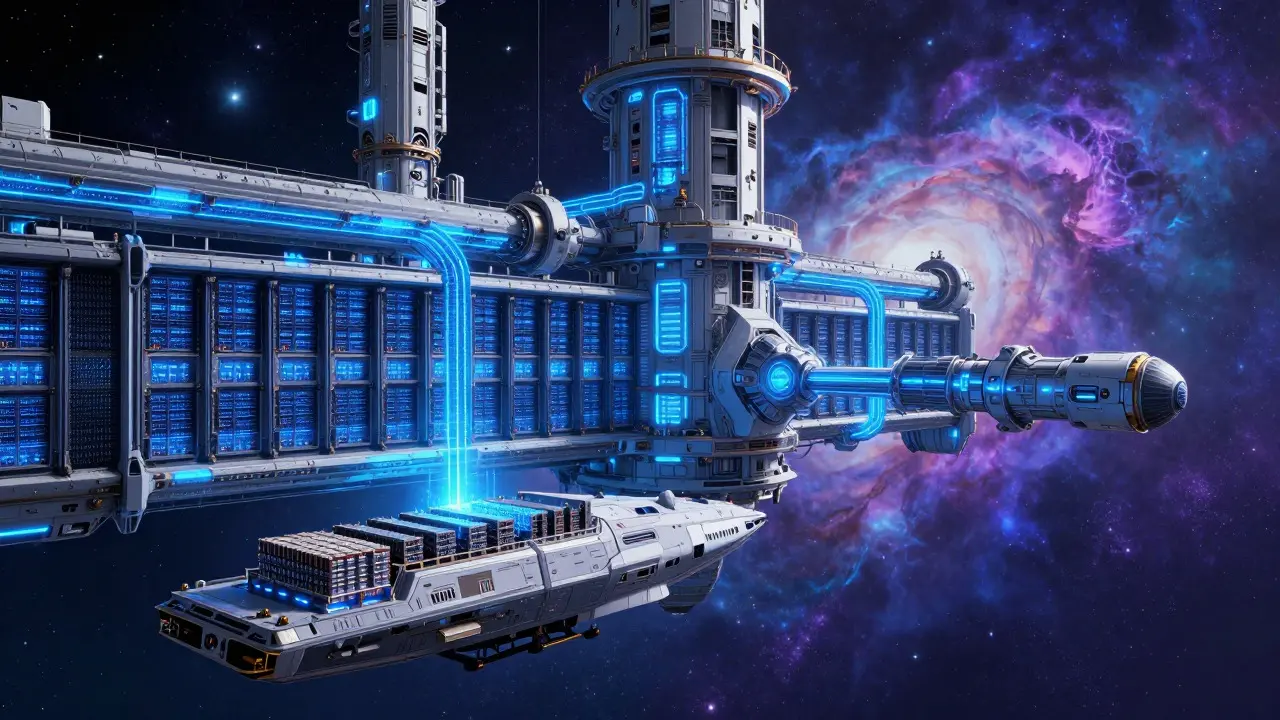
Under this system, customers physically send their GPUs to ZMINE’s facilities. The company installs approximately 10,000 GPUs from hundreds of customers into their mining farm. Here is how the revenue sharing works:
- Ownership: You retain legal ownership of your specific graphics card.
- Operation: ZMINE handles all electricity costs, cooling, maintenance, and facility management.
- Profit Split: Every two weeks, the mining profits generated by your card are split 50:50 between you and ZMINE, after electricity costs are deducted.
- Token Utility: Holding ZMN tokens allows you to participate in this system, exchange tokens for physical GPUs installed in the farm, or trade hardware on their marketplace.
This model creates a direct link between the token value and the profitability of the underlying hardware. If Bitcoin prices rise and mining becomes more profitable, the buyback mechanism should theoretically support the ZMN price. However, this also means the project is vulnerable to the same risks that affect all miners: rising energy costs, outdated hardware, and regulatory crackdowns on mining operations.
Token Economics: Supply, Burn Mechanism, and Chains
Understanding the tokenomics of ZMN requires looking at both its history and its current distribution. The token was originally issued as an ERC-20 asset on the Ethereum blockchain during its Initial Coin Offering (ICO) in May-June 2018. The sale used a smart contract where KYC-approved users received unique ETH addresses. Once payment was confirmed, ZMN tokens were credited to the user's dashboard within minutes.
Over time, the project evolved to include the BNB Smart Chain. Today, ZMN operates primarily as a BEP-20 token on BNB Smart Chain, with the contract address 0xfcb8a4b1a0b645e08064e05b98e9cc6f48d2aa57. This migration likely aimed to reduce transaction fees and integrate with decentralized finance (DeFi) platforms like PancakeSwap.
Here is a breakdown of the key economic attributes:
| Attribute | Value / Detail |
|---|---|
| Total Supply | ~212.7 Million ZMN |
| Circulating Supply | Disputed (Ranges from 0 to ~31 Million depending on aggregator) |
| Original Chain | Ethereum (ERC-20) |
| Current Primary Chain | BNB Smart Chain (BEP-20) |
| Burn Mechanism | Monthly buybacks using mined BTC, followed by token burns |
| Consensus | Not Mineable (Utility Token) |
A critical feature of ZMN is its deflationary mechanism. ZMINE uses the cryptocurrency mined by its GPU farm to buy back ZMN tokens from the open market on the 16th of every month. These bought-back tokens are then burned (destroyed) on the 1st of the following month. According to official metrics updated in recent years, the platform has reported buying back over 100 BTC worth of tokens and burning more than 19 million ZMN. This process is designed to reduce supply and create upward pressure on the price, but its effectiveness depends entirely on the volume of mining profits available.

Price Performance and Liquidity Reality Check (2026)
If you check the price of ZMN today, you will likely see conflicting data. This is common for micro-cap tokens with low liquidity. As of July and August 2026, ZMN trades in a narrow range between $0.0062 and $0.0132 USD. The discrepancies arise because different data aggregators calculate circulating supply differently.
For example, CoinMarketCap may list the circulating supply as zero due to lack of verified data, resulting in a market cap of $0. In contrast, CoinGecko might estimate a circulating supply of 31 million ZMN, placing the market cap around $190,000-$200,000. Bitget and other exchanges show live prices fluctuating based on immediate buy/sell orders rather than broad market sentiment.
The primary venue for trading ZMN is PancakeSwap (v2) on the BNB Smart Chain. Trading pairs such as ZMN/BTCB and ZMN/WBNB typically see daily volumes in the low hundreds or thousands of dollars. This indicates extremely thin liquidity. For a retail investor, this means:
- High Slippage: Buying even a small amount of ZMN can significantly move the price up.
- Selling Difficulty: Exiting a large position may require splitting trades over days to avoid crashing the price.
- Volatile Spreads: The difference between the buy and sell price can be wide, meaning you lose value immediately upon entry.
In localized markets, such as Thailand and Japan, ZMN has seen occasional spikes in interest, with conversions showing values like 1.25 JPY or 0.45 THB per ZMN. However, these remain niche trading activities rather than mainstream adoption.
Risks and Challenges for Investors
Before adding ZMN to your portfolio, it is crucial to weigh the specific risks associated with this type of project. Unlike Bitcoin or Ethereum, which have decentralized networks secured by millions of nodes, ZMINE is a centralized entity managing physical assets.
- Centralization Risk: The entire operation depends on one company managing the mining farm. If the facility suffers a fire, equipment failure, or mismanagement, the token value could collapse regardless of Bitcoin’s price.
- Hardware Obsolescence: Mining hardware becomes inefficient quickly. If ZMINE fails to upgrade its 10,000+ GPUs regularly, mining profits will drop, reducing the funds available for ZMN buybacks.
- Liquidity Trap: With daily volumes often under $3,000, getting your money out can be difficult. There is no guarantee that a buyer will appear when you want to sell.
- Data Transparency: Discrepancies in circulating supply data make it hard to assess true valuation. Investors must rely on self-reported metrics from the ZMINE team regarding buybacks and burns.
Furthermore, the regulatory landscape for mining operations continues to tighten globally. Energy consumption regulations and tax laws on crypto mining profits vary by country, potentially impacting ZMINE’s operational margins.
How to Buy and Store ZMN Tokens
Since ZMN is primarily traded on decentralized exchanges (DEXs), the process differs from buying major coins on centralized platforms like Coinbase or Binance.
Step 1: Set Up a Compatible Wallet
You need a wallet that supports the BNB Smart Chain. MetaMask is the most popular choice. Ensure you switch the network settings to "BNB Smart Chain" (formerly Binance Smart Chain).
Step 2: Acquire BNB (BSC)
To swap for ZMN, you first need BNB on the BNB Smart Chain. You can buy BNB on a centralized exchange and withdraw it to your MetaMask address using the BSC network, or swap directly if you already hold ETH and use a bridge service.
Step 3: Connect to PancakeSwap
Go to the PancakeSwap website and connect your wallet. Paste the official ZMN contract address (0xfcb8a4b1a0b645e08064e05b98e9cc6f48d2aa57) into the search bar to ensure you are interacting with the correct token. Always double-check the contract address against official ZMINE sources to avoid fake tokens.
Step 4: Swap for ZMN
Select the pair (e.g., WBNB/ZMN) and enter the amount you wish to swap. Due to low liquidity, set your slippage tolerance higher (e.g., 5-10%) to ensure the transaction completes, but be aware this increases the cost of your purchase.
Step 5: Verify Ownership
Once the transaction confirms, the ZMN tokens will appear in your wallet. If you plan to use them for the WRYGC mining program, you may need to deposit them into the ZMINE platform dashboard, which historically required KYC verification.
Future Outlook: ZMINE 2.0 and Beyond
The ZMINE team has announced plans for "ZMINE 2.0," aiming to broaden the utility of the token beyond simple mining profit sharing. Key developments include:
- ZMN Market: A marketplace where users can buy and sell items denominated in ZMN, expanding utility beyond GPUs.
- Simplified Onboarding: Moving away from complex crypto-only purchases to allow fiat and credit card payments for mining packages.
- MasterQueue System: Allowing users to configure mining settings more flexibly after registering with just email verification.
These updates suggest an effort to modernize the platform and attract non-technical users. However, the success of these initiatives depends on execution. The core challenge remains proving that the physical mining operation is profitable enough to sustain the token economy in a competitive market.
Is ZMINE (ZMN) a scam?
There is no definitive proof that ZMINE is a scam, as it has operated since 2018 and reported paying out mining profits in BTC. However, it carries high risk due to centralization, low liquidity, and opaque financial reporting. It is considered a speculative micro-cap asset rather than a secure long-term investment.
What is the WRYGC model?
WRYGC stands for "We Rent Your Graphic Card." It is a business model where customers send their physical GPUs to ZMINE's mining farm. ZMINE manages the hardware and electricity, while profits are split 50:50 between the customer and ZMINE every two weeks.
Which blockchain is ZMN on?
ZMN was originally an ERC-20 token on Ethereum. As of 2026, it primarily operates as a BEP-20 token on the BNB Smart Chain, allowing for cheaper transactions and integration with DEXs like PancakeSwap.
Why is the ZMN price so volatile?
The volatility is driven by extremely low trading volume and liquidity. With daily volumes often under $3,000, small buy or sell orders can cause significant price swings. Additionally, inconsistent data regarding circulating supply across exchanges contributes to price discrepancies.
Does ZMINE burn tokens?
Yes. ZMINE implements a monthly buyback-and-burn mechanism. They use BTC earned from mining to buy ZMN tokens from the market on the 16th of each month and burn them on the 1st of the following month to reduce total supply.
Where can I buy ZMN tokens?
ZMN is primarily traded on decentralized exchanges, specifically PancakeSwap (v2) on the BNB Smart Chain. It is rarely listed on major centralized exchanges due to its low market capitalization and liquidity.


I'm a blockchain analyst and crypto educator who builds research-backed content for traders and newcomers. I publish deep dives on emerging coins, dissect exchange mechanics, and curate legitimate airdrop opportunities. Previously I led token economics at a fintech startup and now consult for Web3 projects. I turn complex on-chain data into clear, actionable insights.