
FM Node Income Calculator
FMT Node Investment Calculator
Based on real user reports: Most users earn less than $1 in USDC per week after gas fees. Calculate your potential returns with current market conditions.
Estimated Results
Low Liquidity Risk
Initial Investment
Weekly Gas Fees
Net Weekly Earnings
Break-even Point
Warning: Based on article data, most users earn less than $1/week after gas fees. This calculation shows the realistic returns you can expect.
FingerMonkeys (FMT) isn’t another meme coin that vanishes after a hype spike. It’s a Web3 gaming token built to let players earn crypto by playing simple HTML5 mini-games - no fancy graphics, no expensive hardware, just quick games you can start in seconds. But here’s the catch: while the idea sounds promising, the reality is far more complicated. If you’re wondering whether FMT is worth your time or money, you need to know what’s actually happening behind the scenes.
How FingerMonkeys (FMT) actually works
FingerMonkeys runs on the Base network, which is Coinbase’s Layer 2 blockchain built for faster, cheaper transactions. The FMT token is an ERC-20 token, meaning it’s compatible with wallets like MetaMask. The total supply is fixed at 1 billion tokens - no more will ever be created. That’s a good sign compared to coins that keep printing new tokens and diluting value. The real engine of FingerMonkeys isn’t trading. It’s gaming. The ecosystem hosts thousands of HTML5 mini-games - think bubble poppers, memory matchers, and simple arcade-style games you’d find on a casual gaming site. You don’t need to buy expensive NFTs to play. You just need a few FMT tokens to enter events or unlock bonuses. Where it gets interesting is the FM Nodes. These are NFTs you can buy and hold. Owning one gives you a share of the ecosystem’s revenue - paid out in USDC, not FMT. That’s rare. Most Web3 games pay you in their own volatile tokens. FingerMonkeys pays in stablecoin. If the games make money from entry fees, trading, or minting, node holders get a cut. That’s the core promise: passive income from playing games you already enjoy.Who’s behind FingerMonkeys? The big red flag
There’s no public team. No LinkedIn profiles. No Twitter handles linked to founders. No interviews. Just a brand name and a website. That’s not unusual in crypto - many projects start anonymous. But when you’re asking people to spend money on NFTs and tokens that promise steady income, anonymity becomes a problem. Compare this to Gala or Immutable. They have teams with names, faces, and track records. They publish roadmaps with deadlines. FingerMonkeys? The website says “strategic partnerships are coming” but names zero developers, studios, or game publishers. No GitHub activity. No code commits. No updates since late 2024. That’s not how real projects move. It’s how ghost projects wait to disappear. The lack of transparency doesn’t mean it’s a scam. But it does mean you’re betting on a black box. If the revenue-sharing model stops working, who do you call? There’s no customer support team - just a Telegram group with 1,200 members and a 72-hour average reply time.The numbers don’t lie: low volume, high risk
As of November 23, 2025, FMT trades between $0.000053 and $0.000055. That’s less than a penny. On CoinMarketCap, it’s ranked #8660 out of thousands of coins. That’s not just low - it’s near the bottom. Trading volume tells the real story. On Uniswap V3 (Base), FMT/WETH trades about $2,067 in 24 hours. On Binance, it’s $0. On Tapbit, it’s $0. That’s not a market. That’s a ghost town. You might buy FMT, but when you want to sell, you’ll struggle to find a buyer. Liquidity is so thin that even small sells can crash the price. And gas fees? They’re killing it. To buy FMT on Uniswap, you need ETH for gas. On Base, gas is cheaper than Ethereum, but still - if you’re buying $10 worth of FMT, you might pay $3-$5 in fees. That’s 30-50% of your investment gone before you even start playing. For most people, that’s not worth it.
FM Nodes: passive income or money trap?
This is where FingerMonkeys tries hardest to stand out. Buy an FM Node NFT, and you earn USDC from game fees. Sounds great, right? But the math doesn’t add up for most users. One Reddit user, Web3Gamer87, spent $50 on FM Nodes. After two weeks, he earned $0.73 in USDC - after paying gas fees to claim it. That’s a net loss. Others report similar results. The payouts are tiny. You need to own multiple nodes to make it meaningful. And those nodes aren’t cheap. Prices vary, but they often cost 0.1-0.3 ETH. That’s $250-$750. If you’re putting that kind of money in, you expect returns - not pennies. The system also isn’t transparent. How much revenue is generated daily? How is it split? Is it proportional to node rarity? The website doesn’t say. Without clear rules, you’re trusting a black box to pay you fairly.How it compares to other Web3 gaming coins
FingerMonkeys isn’t trying to be Gala or Immutable. It’s not building a full 3D blockchain game. It’s targeting a different market: small game developers who want to add crypto rewards to simple HTML5 games without coding a new blockchain. Gala has its own blockchain, big studios, and hundreds of games. Immutable focuses on high-end NFT games. FingerMonkeys is the opposite - it’s lightweight. It’s plug-and-play. A developer can drop a mini-game into the FingerMonkeys ecosystem in a day. That’s useful. But that usefulness doesn’t translate to big user numbers. DappRadar estimates fewer than 500 daily active users across the entire FingerMonkeys platform. Gala has millions. Even small competitors like Enjin have 10x the activity. FingerMonkeys is a niche tool for niche developers - not a mainstream gaming platform.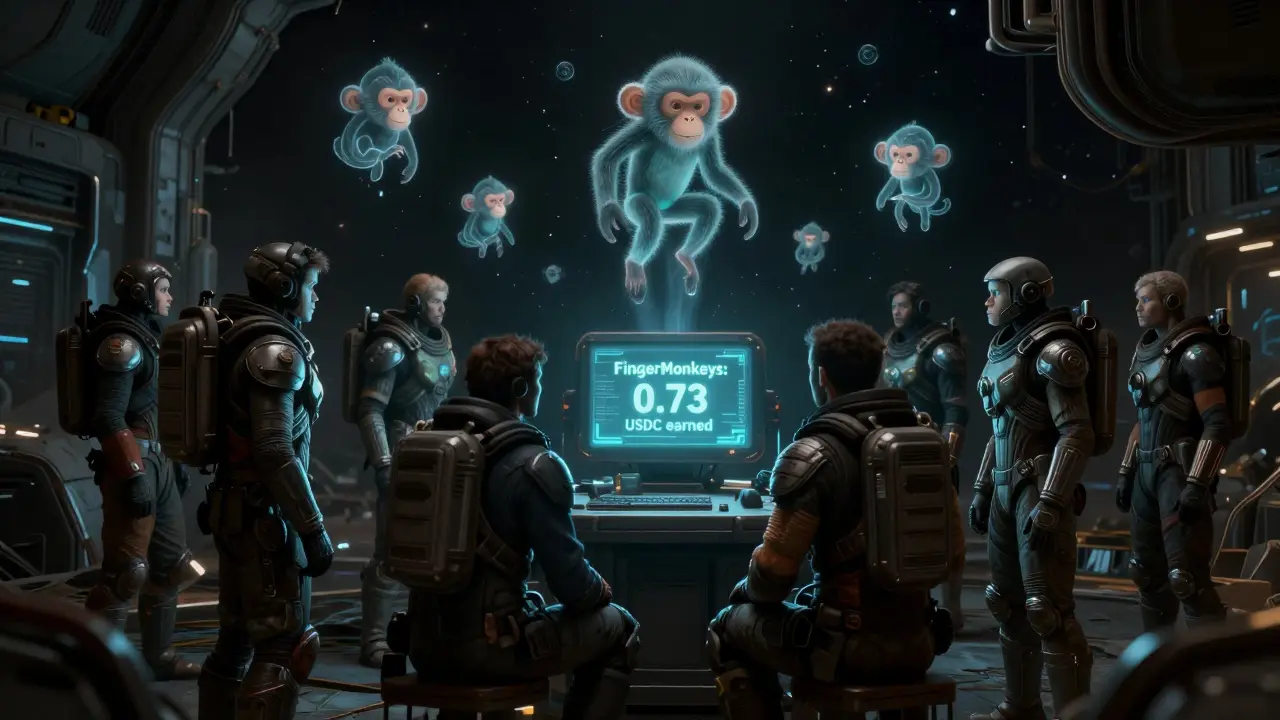
Real user experiences: mixed, but leaning negative
User reviews are split, but the negative ones are louder and more specific. On Trustpilot, FingerMonkeys has a 2.3/5 rating from 12 verified reviews. Common complaints:- “Confusing node purchase process - couldn’t figure out how to claim rewards.”
- “Customer support never replied.”
- “Earned $0.45 in two weeks. Paid $6 in gas.”


I'm a blockchain analyst and crypto educator who builds research-backed content for traders and newcomers. I publish deep dives on emerging coins, dissect exchange mechanics, and curate legitimate airdrop opportunities. Previously I led token economics at a fintech startup and now consult for Web3 projects. I turn complex on-chain data into clear, actionable insights.