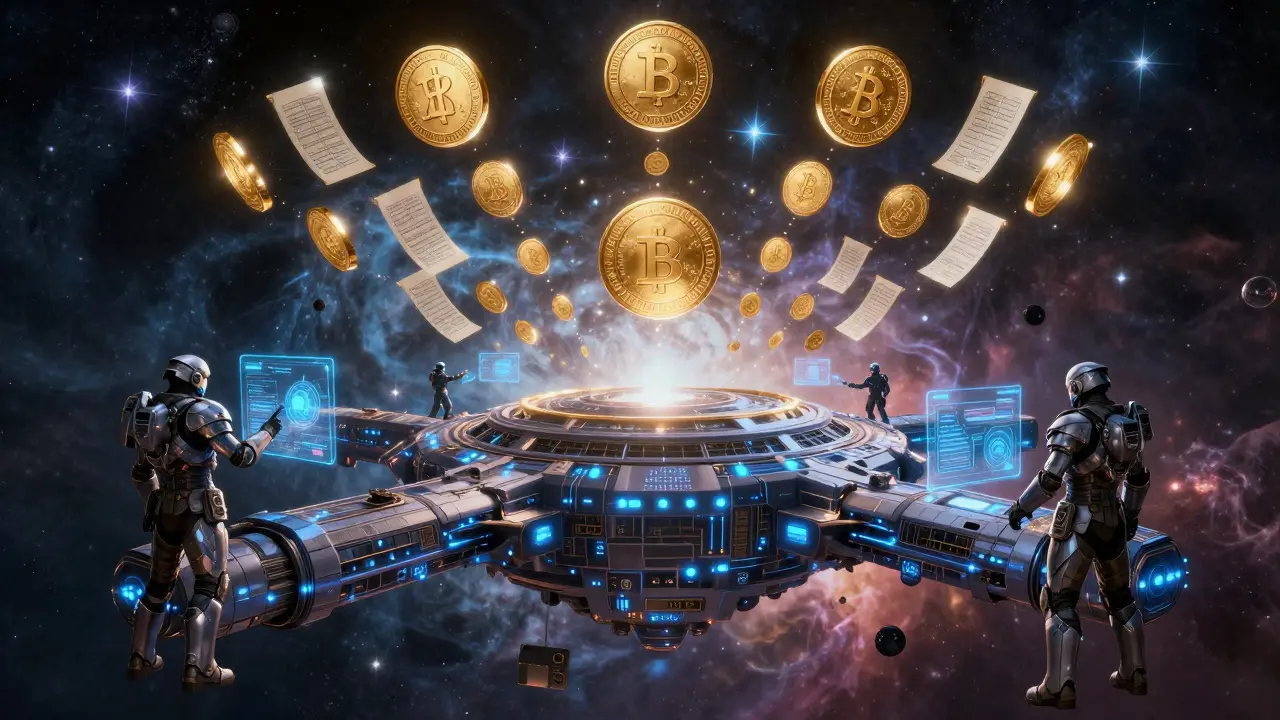
Security tokens aren’t just another type of cryptocurrency. They’re digital versions of real-world investments - like shares in a company, a slice of a building, or a bond that pays interest. While Bitcoin and Ethereum let you send money peer-to-peer, security tokens represent actual ownership in something tangible. And they’re built on blockchain to make buying, selling, and tracking that ownership faster, cheaper, and more transparent.
How Security Tokens Are Different From Other Tokens
Not all blockchain tokens are the same. You’ve probably heard of utility tokens - those give you access to a service, like using a decentralized app or getting discounted fees on a platform. But security tokens? They’re legally treated like stocks or bonds. If you own one, you’re not just using a product - you’re owning a piece of an asset.
The key difference comes down to expectation of profit. If you buy a token hoping it will increase in value because the company behind it is growing, and you’re promised dividends, interest, or a share of profits - that’s a security token. That’s the same legal logic used by the U.S. Securities and Exchange Commission (SEC) in the Howey Test. It doesn’t matter if the token is on Ethereum or Solana. If it acts like a security, it’s regulated like one.
Compare that to Bitcoin. People trade it like an investment, but it wasn’t created to represent ownership in anything. Security tokens, on the other hand, are designed from the ground up to mirror traditional securities - just on a blockchain.
What Kind of Assets Can Be Turned Into Security Tokens?
Almost any asset with value and ownership rights can be tokenized. Here are the most common ones:
- Company equity - Instead of paper stock certificates, you hold a digital token representing shares in a startup or private business.
- Real estate - A $10 million apartment building can be split into 10,000 tokens. Each token equals $1,000 of ownership. You don’t need millions to invest in property anymore.
- Debt instruments - Bonds that pay interest can be tokenized. Investors earn regular payouts, tracked automatically on the blockchain.
- Private funds - Hedge funds or venture capital pools can issue tokens to accredited investors, making fundraising faster and more accessible.
- Revenue-sharing agreements - A coffee chain could tokenize future sales. Buyers get a percentage of monthly revenue without owning the business.
The asset doesn’t change. A building is still a building. A company is still a company. But now, its ownership is recorded on a public, tamper-proof ledger. No more lost certificates or slow paperwork.
How Security Tokens Work Technically
Behind the scenes, security tokens use smart contracts - self-executing code on a blockchain. These contracts handle everything:
- Issuance - When a company creates its tokens, the smart contract sets rules: who can buy them, how many, and under what conditions.
- Ownership transfer - When you sell your token, the contract checks if you’re an accredited investor, if the buyer meets local regulations, and if the transfer complies with AML/KYC rules. If not, the transaction is blocked.
- Dividend distribution - Profits? The contract automatically sends payments to token holders on a set schedule. No human needed.
- Compliance - Rules like investor limits, blackout periods, or geographic restrictions are coded into the token itself. It’s not an afterthought - it’s built in.
These tokens live in digital wallets like MetaMask or Coinbase Wallet. But unlike holding Bitcoin, you can’t just send a security token to anyone. The wallet and the blockchain network work together to enforce rules. If you’re not verified, you can’t even receive the token.

Why Security Tokens Are Better Than Traditional Securities
Traditional stock trading? It’s slow. Settlement takes days. Fees pile up. Paperwork is everywhere. Security tokens fix that.
Here’s how:
- 24/7 trading - Markets never close. You can trade tokens anytime, anywhere. No need to wait for the NYSE to open.
- Fractional ownership - Want to own $50 of a Manhattan skyscraper? With security tokens, you can. Traditional real estate investing requires tens or hundreds of thousands.
- Lower costs - No brokers, no clearinghouses, no custodians. Smart contracts automate what used to take teams of lawyers and bankers.
- Global access - Investors from anywhere in the world can participate, as long as they pass compliance checks. No more being locked out because you live in the wrong country.
- Transparency - Every transaction is recorded on the blockchain. You can see exactly who owns what, when it was bought, and how much was paid. No hidden fees or murky records.
Take real estate, for example. Traditionally, buying a piece of a commercial property means dealing with lawyers, title companies, escrow agents, and paperwork that takes weeks. With a security token, you sign in, verify your identity, buy a token, and your ownership is instantly recorded. Settlement? Instant. No waiting.
The Risks and Challenges
Security tokens aren’t risk-free. They’re still new, and the rules are still being written.
Here are the biggest hurdles:
- Regulation varies by country - What’s legal in Singapore might be banned in the U.S. or untested in Brazil. Companies must navigate multiple legal systems.
- Market liquidity - There aren’t many regulated exchanges for security tokens yet. Even if you own one, selling it might be hard.
- Technology complexity - Setting up a compliant token system needs blockchain expertise, legal counsel, and integration with financial systems. Many startups don’t have the resources.
- Investor confusion - People still mix up security tokens with meme coins or utility tokens. That leads to scams and regulatory crackdowns.
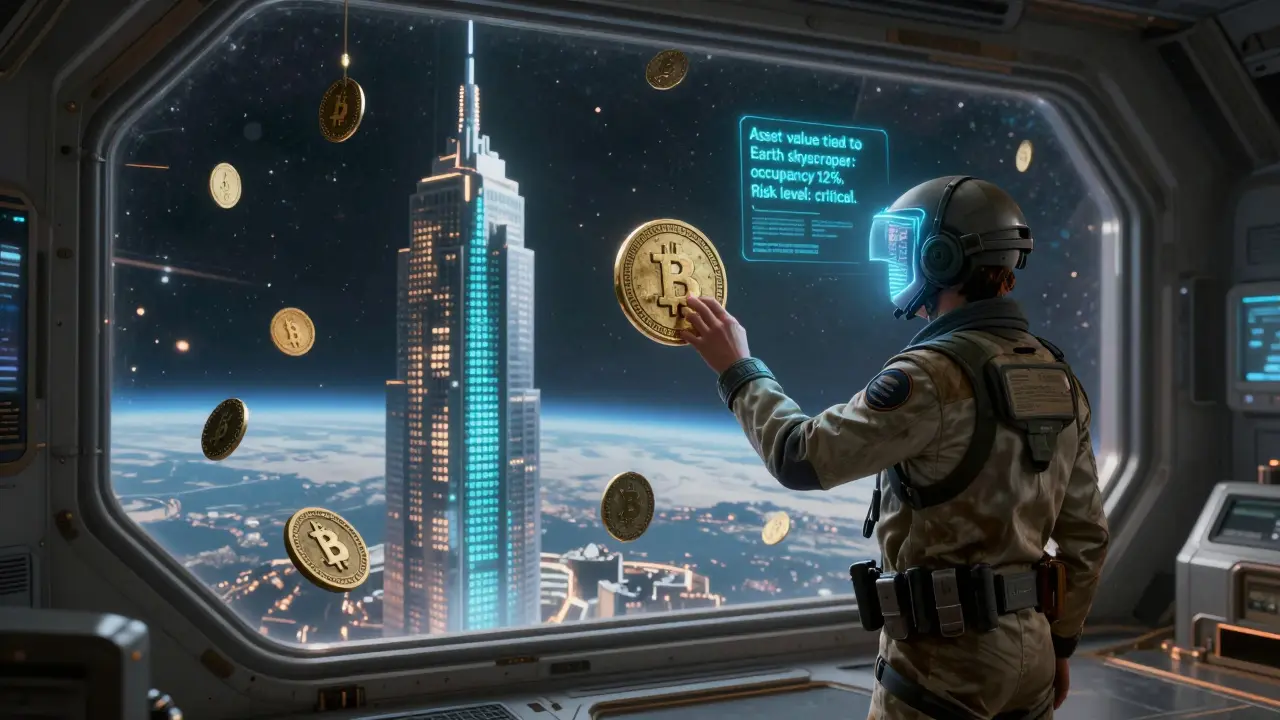
- Underlying asset risk - A token tied to a commercial building still loses value if the building’s occupancy drops. The blockchain doesn’t protect you from bad investments.
Unlike utility tokens, which can crash overnight with no legal recourse, security tokens offer investor protections - but only if they’re properly structured. A poorly designed STO (security token offering) can still be a scam. Always check who’s issuing it and whether they’re licensed.
Where Are Security Tokens Being Used Today?
Real adoption is happening - slowly but steadily.
- Singapore - InvestaX and other platforms operate under MAS regulations, allowing global investors to trade tokenized private equity and real estate.
- Switzerland - Companies issue tokens under FINMA guidelines, especially for venture capital and private debt.
- United States - Platforms like Securitize and Harbor help private companies raise capital through compliant STOs. The SEC has approved tokenized funds from major firms like BlackRock.
- Luxembourg - A hub for European asset managers tokenizing funds under MiCA (Markets in Crypto-Assets Regulation).
These aren’t experiments. They’re live, regulated marketplaces. In 2025, over $15 billion in assets were tokenized globally, with real estate and private equity leading the way.
What’s Next for Security Tokens?
The future is integration. Security tokens won’t replace stocks and bonds - they’ll enhance them.
- Major banks are building blockchain-based settlement systems.
- Stock exchanges like Nasdaq are testing tokenized trading for private company shares.
- Regulators are creating clearer rules - the EU’s MiCA, the U.S. SEC’s guidance on digital assets, and Singapore’s MAS framework are setting global standards.
- Institutional investors - pension funds, hedge funds, family offices - are starting to allocate capital to tokenized assets.
By 2030, it’s likely that most private equity deals, real estate syndications, and corporate bond issuances will use security tokens. The old system isn’t disappearing - it’s just going digital.
Are security tokens the same as cryptocurrencies like Bitcoin?
No. Bitcoin is a decentralized digital currency designed for peer-to-peer payments. Security tokens represent ownership in real-world assets like stocks, real estate, or bonds. While both use blockchain, Bitcoin isn’t regulated as a security, whereas security tokens must follow strict financial regulations like those for traditional stocks.
Can anyone buy security tokens?
Not always. Many security tokens are only available to accredited investors - people who meet income or net worth thresholds set by regulators. Some platforms allow non-accredited investors to participate under specific exemptions, like Regulation A+ or Regulation CF in the U.S. But there are legal limits on how much you can invest and who can sell to you.
How are security tokens different from utility tokens?
Utility tokens give you access to a product or service - like using a decentralized app or getting discounts. Security tokens represent ownership and financial rights - like dividends, profit shares, or voting rights. Utility tokens usually aren’t regulated as securities. Security tokens are, because they’re designed as investments.
What blockchains are used for security tokens?
Ethereum is the most common, thanks to its mature smart contract system. But other chains like Polygon, Stellar, Kaia, and Solana are also used - especially when lower fees or faster transactions matter. The choice depends on regulatory needs, scalability, and which platforms support compliance features like investor whitelisting.
Is investing in security tokens safer than buying crypto?
It can be, because security tokens are subject to financial regulations that require disclosure, investor protection, and licensed issuers. That means more transparency and legal recourse if something goes wrong. But they’re not risk-free - their value still depends on the underlying asset. If the building you’re tokenized into loses tenants, your token’s value drops. The blockchain doesn’t eliminate market risk - it just makes ownership clearer.
Can I trade security tokens on Coinbase or Binance?
Not directly on their main exchanges. Coinbase and Binance list cryptocurrencies and utility tokens, but not regulated security tokens. Security tokens trade on specialized, licensed platforms like InvestaX, Securitize, or Harbor. These platforms enforce KYC/AML rules and only allow verified investors to trade. Trying to trade them on regular exchanges often violates securities laws.


I'm a blockchain analyst and crypto educator who builds research-backed content for traders and newcomers. I publish deep dives on emerging coins, dissect exchange mechanics, and curate legitimate airdrop opportunities. Previously I led token economics at a fintech startup and now consult for Web3 projects. I turn complex on-chain data into clear, actionable insights.