
You just received an email from your favorite exchange. It says your account is locked due to suspicious activity. You click the link, enter your password, and type in your seed phrase to "verify" your identity. Ten minutes later, your wallet is empty. This isn’t a glitch. It’s cryptocurrency phishing, a cybercrime tactic where attackers trick users into revealing sensitive data like private keys or passwords to steal digital assets.
Unlike traditional banking fraud, blockchain transactions are irreversible. Once you send that Bitcoin or Ethereum to a hacker’s address, there is no customer service hotline to call. No chargeback button. Just gone. That’s why understanding how these scams work is not just helpful-it’s essential for anyone holding crypto.
The Anatomy of a Crypto Phishing Attack
At its core, phishing relies on one thing: human error. Hackers know most people aren’t cybersecurity experts. They exploit trust, urgency, and curiosity. In the crypto world, they specifically target private keys, which are long strings of characters that act as the master password to your cryptocurrency wallet, granting full control over funds.
If you give away your private key or seed phrase (also known as a recovery phrase), you’ve handed over the keys to your vault. Legitimate services will never ask for this information via email, chat, or phone. Remember that rule, and you’re already ahead of 90% of victims.
Here’s how attackers typically operate:
- Bait: A fake email, SMS, or social media post claiming urgent action is needed.
- Hook: A link to a website that looks exactly like Coinbase, MetaMask, or Binance.
- Catch: You enter your credentials or connect your wallet, giving them access.
- Steal: Funds are drained instantly to a new, untraceable wallet.
Common Types of Cryptocurrency Phishing Scams
Scammers are creative. They don’t stick to one method. Here are the most dangerous types you need to watch out for in 2026.
Spear Phishing and Whaling
Generic spam emails are easy to spot. Spear phishing is different. Attackers research you first. They might look at your Twitter profile, see you hold Solana, and send a personalized message about a “Solana network upgrade.” If they target high-profile individuals-like CEOs or influencers-they call it whaling, a targeted attack against wealthy or influential figures to maximize financial gain or organizational damage. These messages feel personal because they are.
Clone Phishing
You received a real email from your wallet provider last week. Today, you get another one that looks identical. The subject line is the same. The logo is the same. But the link inside has changed slightly. Maybe it’s `metamask-support.com` instead of `metamask.io`. You recognize the email, so you click without thinking. That’s clone phishing.
Pharming Attacks
This one is sneakier. With pharming, you type the correct URL, but you still land on a fake site. Hackers infect your DNS server or local host file, redirecting traffic before you even realize something is wrong. You think you’re logging into Kraken, but you’re actually on a mirror site designed to harvest your login details.
AI-Powered Impersonation
In 2025 and 2026, artificial intelligence made phishing scarier. Scammers use deepfake technology to create videos or voice notes of celebrities like Elon Musk or Vitalik Buterin. They claim to be giving away free crypto if you send a small amount first. The video looks real. The voice sounds real. But it’s all generated by AI.
Pig Butchering (Romance & Investment Scams)
This isn’t a quick click-and-steal scam. It takes weeks. A stranger contacts you on Instagram or Telegram. They seem nice. You talk daily. Then, they mention they made huge profits trading crypto. They invite you to join their “exclusive platform.” You start small, withdraw some profit, and trust grows. Then you invest everything. Suddenly, the platform freezes. Your friend disappears. Millions have been lost this way globally.
Wallet Draining via Smart Contracts
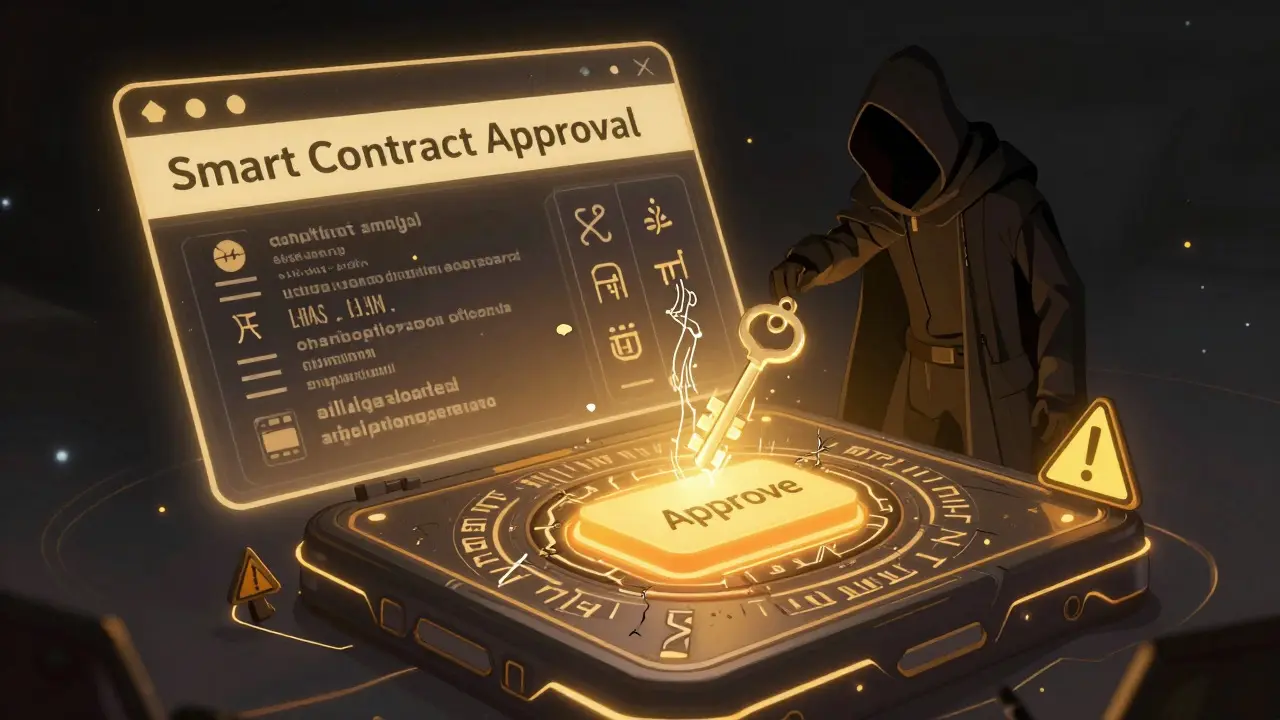
You find a cool NFT drop or a new DeFi token. You connect your wallet to the site to mint it. The site asks for “approval” to spend up to 1 million tokens. You click approve, thinking it’s for the transaction fee. Actually, you just gave the contract permission to drain your entire balance. This happens constantly on decentralized exchanges and marketplaces.
| Scam Type | Primary Vector | Key Risk Factor | Detection Difficulty |
|---|---|---|---|
| Spear Phishing | Email / DM | Personalized content | Medium |
| Clone Phishing | Familiarity with previous legit emails | High | |
| Pharming | DNS / Browser | Correct URL leads to fake site | Very High |
| AI Deepfakes | Social Media Video | Visual/Audio realism | High |
| Smart Contract Drain | Web3 Interaction | Unlimited approval limits | Medium |
Red Flags: How to Spot a Fake Before You Click
You don’t need to be a tech genius to stay safe. You just need to slow down. Ask yourself these questions before interacting with any crypto-related request.
Is the sender asking for urgency? “Your account will be closed in 24 hours!” is a classic pressure tactic. Real companies give you time. Hackers want you to panic and skip verification steps.
Check the URL carefully. Look closely at the web address. Is it `coinbase.com` or `coin-base-secure.com`? Typosquatting-using similar-looking domains-is rampant. Hover over links before clicking. If the destination doesn’t match the official domain, close the tab.
Does it promise guaranteed returns? Crypto is volatile. Anyone promising 10% daily returns is lying. Period. These are often Ponzi schemes disguised as investment platforms.
Are they asking for your seed phrase? Repeat after me: No legitimate support agent, website, or app will ever ask for your 12 or 24-word recovery phrase. If they do, it’s a scam.
Is the grammar off? While AI helps scammers write better English now, many still use awkward phrasing or generic greetings like “Dear User” instead of your name.
How to Protect Your Crypto Assets
Prevention is layered. One tool isn’t enough. Build a defense system.
- Use Hardware Wallets. Keep your long-term holdings on a device like Ledger or Trezor. These keep your private keys offline. Even if your computer gets infected, the hacker can’t touch the coins without physically pressing buttons on the device.
- Enable Multi-Factor Authentication (MFA). Don’t rely on SMS codes alone. SIM-swap attacks can hijack your phone number. Use an authenticator app like Google Authenticator or Authy, or better yet, a hardware security key like YubiKey.
- Verify URLs Manually. Instead of clicking links in emails, go directly to the exchange’s website by typing the address into your browser or using a bookmark. Check the SSL certificate (the padlock icon) and ensure the domain matches exactly.
- Limit Smart Contract Approvals. When using DeFi apps, never approve “unlimited” spending unless necessary. Use tools like Revoke.cash to check and remove old permissions regularly.
- Keep Software Updated. Outdated browsers and wallet extensions have known vulnerabilities. Update them immediately when patches are released.
- Educate Yourself on New Threats. Follow reputable security blogs and communities. Scammers evolve fast; your knowledge needs to keep pace.
What to Do If You Think You’ve Been Phished
Time is critical. If you suspect you’ve entered your credentials or connected your wallet to a malicious site, act immediately.
First, move your remaining funds to a new, clean wallet. Generate a fresh seed phrase on a trusted device and transfer everything out. Assume the old wallet is compromised.
Second, change your passwords. Not just for the affected exchange, but for any other service where you used the same password. Enable MFA on those accounts too.
Third, check your smart contract approvals. Visit Revoke.cash or Uniswap’s revoke tool to see if any unknown contracts have access to your tokens. Revoke them all.
Finally, report the incident. Contact the exchange’s support team (via their official website, not the suspicious email). While recovery is rare, reporting helps flag bad actors and may prevent others from falling victim.

The Psychology Behind Why We Fall For It
It’s not just about technology. It’s about psychology. Scammers exploit cognitive biases. FOMO (Fear Of Missing Out) makes us jump at “limited-time offers.” Authority bias makes us trust emails that look like they come from big brands. Social proof makes us believe in fake testimonials on scam sites.
Understanding this helps. When you feel a rush of excitement or fear, pause. Take a breath. Verify. Most scams rely on emotional reactions overriding logical checks.
Staying Safe in the Web3 Era
As blockchain technology grows, so does the sophistication of attacks. From AI deepfakes to complex smart contract exploits, the threat landscape changes monthly. But the fundamentals remain the same: verify sources, protect your keys, and never rush.
Your crypto is only as secure as your habits. Treat your private keys like cash in your pocket. You wouldn’t hand it to a stranger on the street. Don’t hand it to a stranger online.
Can I recover my crypto if I fall for a phishing scam?
In most cases, no. Blockchain transactions are irreversible. Once funds are sent to a hacker's wallet, they are nearly impossible to retrieve. Prevention is the only reliable defense. Some exchanges offer insurance for certain types of fraud, but this rarely covers user-side phishing errors.
What is the difference between phishing and pharming?
Phishing tricks you into clicking a bad link. Pharming redirects you to a fake site even if you type the correct URL. Pharming works by corrupting your DNS settings or host file, making it harder to detect because the address bar looks correct.
Is it safe to connect my wallet to new DeFi websites?
Proceed with extreme caution. Always verify the website URL through official social media channels. Never grant unlimited approval for token spending. Use a separate "hot wallet" with small amounts for testing new protocols, keeping your main holdings in a cold storage hardware wallet.
How can I tell if an email from my exchange is real?
Log in to your exchange account directly via the browser (not through the email link) and check your notifications section. Real alerts will appear there. Also, inspect the sender's email address closely for subtle misspellings or unusual domains.
What is a SIM-swap attack and how does it affect crypto?
A SIM-swap occurs when a hacker convinces your mobile carrier to transfer your phone number to their SIM card. This allows them to receive your SMS-based two-factor authentication codes. To prevent this, use an authenticator app or hardware key instead of SMS for 2FA.
Should I use a hardware wallet for all my crypto?
Yes, for significant holdings. Hardware wallets store private keys offline, protecting them from malware and phishing attempts on your computer. Keep small amounts in a software wallet for daily trading, but move long-term investments to cold storage.
Are AI deepfake scams common in crypto?
Yes, increasingly so. Scammers use AI to generate fake videos of celebrities promoting fake giveaways. Always verify such announcements through the celebrity's verified social media accounts. If it sounds too good to be true, it is.
What should I do if I accidentally approved a malicious smart contract?
Act quickly. Move your funds to a new wallet immediately. Then, use a tool like Revoke.cash to revoke the approval given to the malicious contract. Monitor your new wallet for any unusual activity.


I'm a blockchain analyst and crypto educator who builds research-backed content for traders and newcomers. I publish deep dives on emerging coins, dissect exchange mechanics, and curate legitimate airdrop opportunities. Previously I led token economics at a fintech startup and now consult for Web3 projects. I turn complex on-chain data into clear, actionable insights.