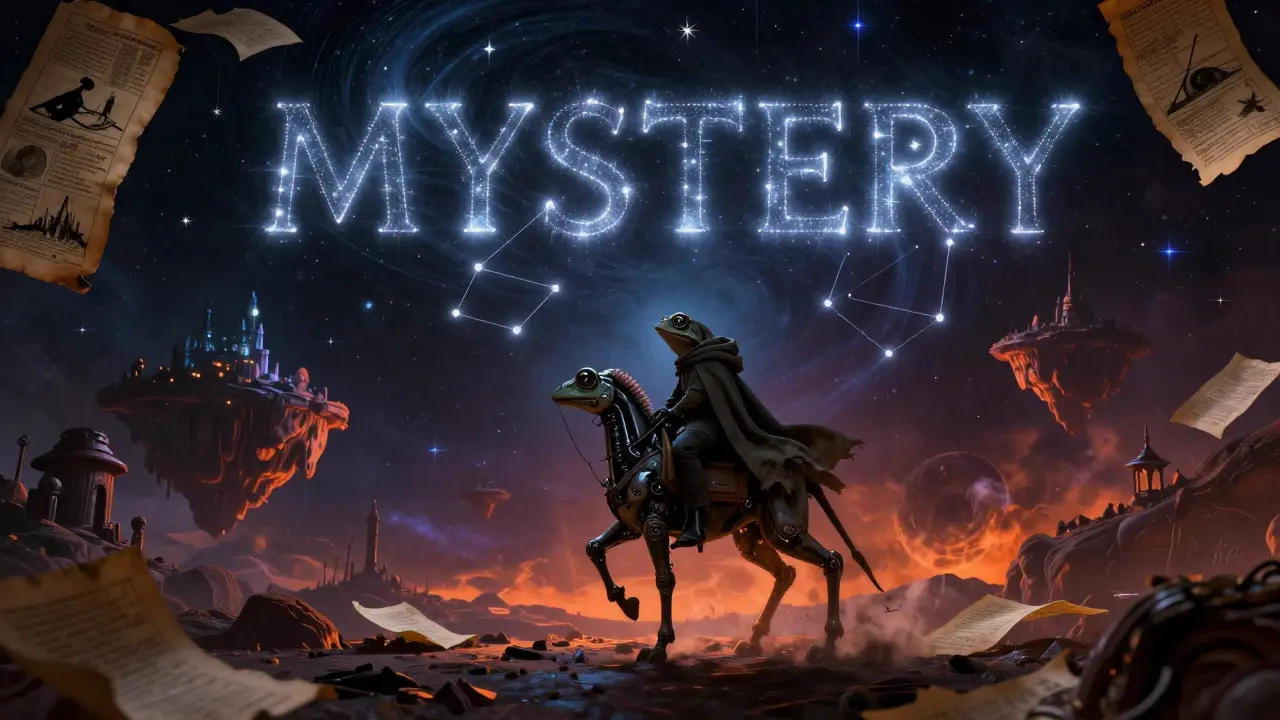
Mystery (MYSTERY) is an art-backed memecoin inspired by Matt Furie's comic 'The Night Riders.' With no team, no audit, and extreme volatility, it's a niche cultural experiment - not an investment.
When you hear memecoin, a cryptocurrency created as a joke with no real utility, often fueled by internet culture and social media hype. Also known as meme token, it’s not a serious investment—it’s a gamble wrapped in a viral idea. These tokens don’t fix payments, power apps, or solve problems. They exist because someone made a funny picture, a Reddit thread blew up, and suddenly thousands are buying something called Dogecoin or USAcoin. The market doesn’t care about whitepapers here. It cares about memes, influencers, and FOMO.
Most Solana memecoin, a type of memecoin built on the Solana blockchain, known for fast, cheap transactions that make rapid trading possible projects like USAcoin or FingerMonkeys launch with zero team, no code audit, and no roadmap. They rise fast because of hype, then crash harder because nobody owns the real value. That’s why Morfey lost 99.99998% of its value. That’s why Gridex sits at $0 market cap. And that’s why most TON meme coin, a memecoin built on the Telegram Open Network, often promoted by Telegram communities and influencers tokens vanish within weeks. These aren’t failures—they’re designed this way. The goal isn’t to build something lasting. It’s to ride the wave before the crowd leaves.
What’s left after the hype? A few things you should know. First, memecoin trading isn’t investing—it’s speculation. You’re not betting on technology. You’re betting on whether someone else will pay more for it tomorrow. Second, exchanges don’t list these because they’re good. They list them because people click. Third, airdrops like SupremeX or ZAM TrillioHeirs often look like free money, but they’re usually just hooks to get your wallet address so they can sell you something later. And finally, if a memecoin has no trading volume, no team, and no reason to exist beyond a joke—it’s already dead. You’re just buying the corpse.
What you’ll find below isn’t a list of top memecoins to buy. It’s a collection of real stories—about coins that vanished, scams that stole money, exchanges that pretended to exist, and airdrops that never happened. These aren’t warnings. They’re receipts. Every post here shows what actually happened when people chased a meme. No fluff. No promises. Just what you need to see before you click "Buy" on the next one.
Mystery (MYSTERY) is an art-backed memecoin inspired by Matt Furie's comic 'The Night Riders.' With no team, no audit, and extreme volatility, it's a niche cultural experiment - not an investment.